Your high-mass power amplifier is a masterpiece of engineering, but on the wrong surface, it becomes a liability. Most enthusiasts understand the pride of owning a 50kg transformer; however, they often overlook that weight is a constant source of mechanical energy. When you invest in furniture for heavy audio amplifiers, you aren't just buying a shelf. You are selecting a foundation that must resist sagging while managing the microscopic resonances that blur your soundstage. We've all felt that pang of anxiety seeing a beautiful shelf bow under the pressure of a flagship monoblock or hearing the faint mechanical hum of a transformer vibrating through a hollow cabinet.
I believe that a truly high-fidelity experience requires a sanctuary where form and function exist in absolute harmony. This guide will help you discover how to choose furniture that provides the structural integrity and acoustic isolation required for high-end, heavy-weight power amplifiers. We'll explore the critical role of airflow in preventing component overheating and how specialized materials can eliminate resonance. From load-bearing limits to vibration-damping architecture, you'll learn how to transform your listening room into a stable, vibration-free platform that honors your commitment to perfect sound.
Key Takeaways
- Learn why high-mass systems require more than just physical strength. You'll discover how to treat weight as a source of mechanical energy that must be managed to preserve signal purity.
- Compare the damping properties of solid hardwood against synthetic alternatives. We'll explain how natural materials maintain musical dynamics while "sonic sponges" like MDF often absorb them.
- Identify the critical design elements of furniture for heavy audio amplifiers. Proper ventilation and generous chassis depth are vital for the performance and longevity of Class A and vacuum tube systems.
- Decide between modular and fixed architectures for your setup. We'll show you how a modular approach allows your system to expand without ever compromising structural integrity.
- Explore the harmony of handcrafted excellence and technical performance. See how our Reference series balances massive load-bearing capacity with a minimalist, luxury aesthetic.
The Physics of Load-Bearing: Why Heavy Amplifiers Need Specialised Furniture
High-mass power amplifiers represent the pinnacle of audio engineering. Their physical presence is a testament to the raw power they deliver. Yet, this weight introduces a complex set of challenges for the listener. Truly effective furniture for heavy audio amplifiers isn't just a static shelf. It's a sophisticated system of mass, rigidity, and damping designed to preserve the delicate nuances of your music. While many see a 50kg monoblock as a stationary object, it's actually a source of constant mechanical energy. The massive transformers inside these units generate micro-vibrations that ripple through the chassis.
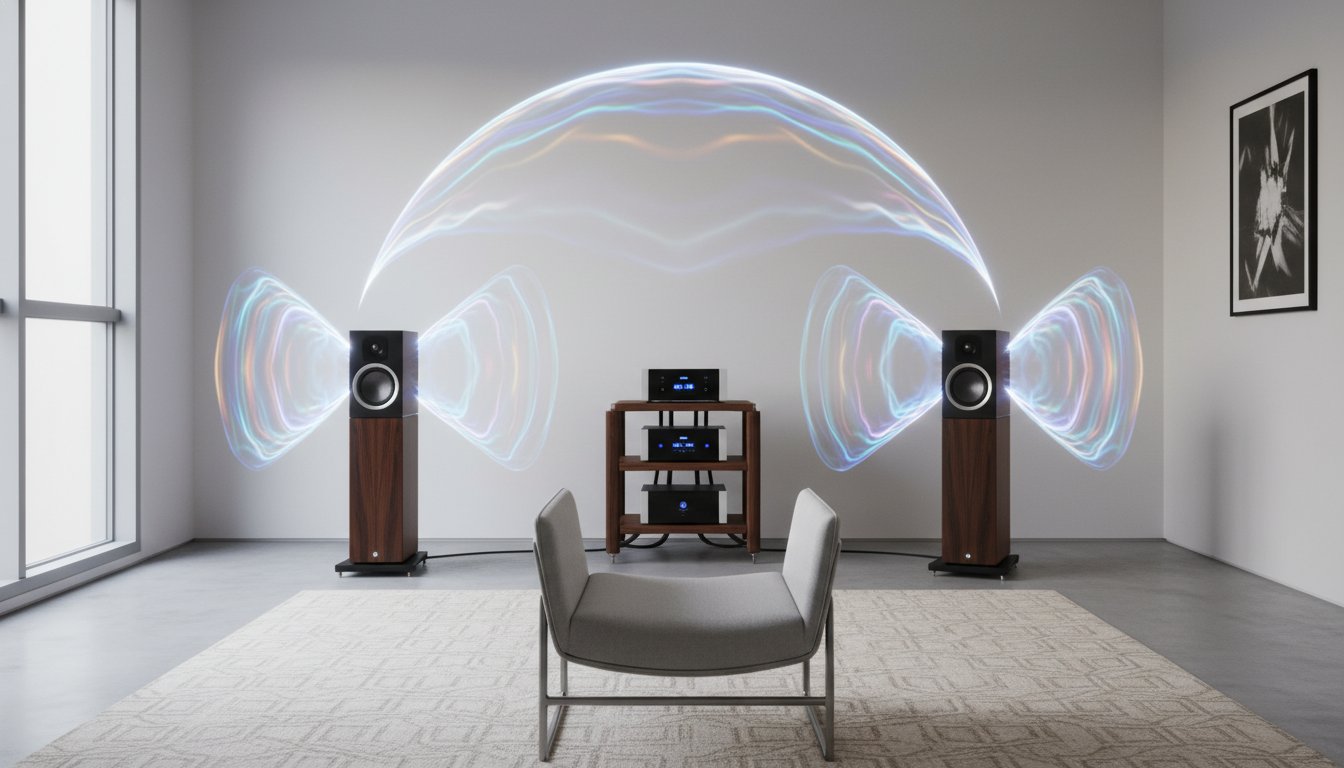
These vibrations are the enemy of clarity. They interfere with low-level signals, creating a subtle blurring of the soundstage and a loss of fine detail. To combat this, your support system must act as an extension of the amplifier itself. It needs to provide a path for that energy to exit the component without reflecting it back. We view the relationship between the gear and the wood as a vital instrument in the pursuit of sensory perfection. It's a quiet confidence that comes from knowing your foundation is as well-engineered as your electronics.
To better understand this concept, watch this helpful video:
The Problem with Standard Furniture and Sagging
Standard home furniture often relies on particle board or veneered MDF. These materials possess a low elastic limit. Under the relentless pressure of a heavy amplifier, they begin to fail at a molecular level. This leads to "shelf creep," a permanent deformation where the material loses its structural integrity over time. The resulting bowing doesn't just look unsightly in a luxury room; it compromises the leveling of your entire system. Structural fatigue in this context is the slow, irreversible breakdown of support materials under constant load, eventually leading to a complete loss of acoustic isolation.
Mechanical Grounding for High-Mass Components
Instead of fighting mass, we use it. A well-designed rack utilizes the amplifier's weight to "sink" vibrations into the floor. This concept, known as mechanical grounding, turns the component and the furniture into a single, inert unit. High mass effectively lowers the resonant frequency of the furniture, moving it far below the audible range. While professional environments often use a 19-inch rack for stability, the home listener requires a more elegant solution. Our Reference HiFi Rack serves as a dedicated support system for high-current electronics. It establishes the 2026 standard for high-fidelity support: zero-veneer, solid-material construction that ensures longevity and sonic purity. By choosing solid wood over synthetic composites, you ensure that your system remains stable for a lifetime of listening.
Material Science: Solid Hardwood vs. MDF and Metal
The choice of material for your system foundation is a decision that resonates through every note. While industrial steel and mass-produced composites are common, they often fail to respect the delicate nature of high-fidelity sound. Steel provides undeniable strength, but it possesses a high resonance frequency. This often results in a "ringing" quality that can color the midrange and smear fine transients. In contrast, furniture for heavy audio amplifiers crafted from solid hardwood offers a sophisticated balance of rigidity and natural damping.
Hardwoods such as oak, walnut, and ash have internal damping coefficients far superior to metal. Their complex organic structures absorb micro-vibrations rather than reflecting them back into the amplifier's chassis. When we examine the Mechanical Properties of Wood, it becomes clear that natural timber possesses a unique ability to handle heavy loads while maintaining acoustic neutrality. This is why a Classic HiFi Rack built from solid timber offers a lifetime of performance that metal simply cannot match. Unlike hollow metal tubes that act as resonators, solid wood remains silent, allowing the true character of your electronics to shine.
Vibration Damping: The Hardwood Advantage
The cellular structure of natural wood is a masterpiece of biological engineering. It consists of millions of tiny, interconnected chambers that break up standing waves and dissipate mechanical energy as trace amounts of heat. This prevents the "dead" or "choked" sound often found in over-damped systems using synthetic rubbers or lead. Instead, you experience a natural decay and a sense of air around the instruments. You can explore this further in our detailed look at The Science of Vibration Damping in Solid Hardwood.
Why We Avoid MDF and Veneers
Many manufacturers use Medium Density Fibreboard (MDF) because it's cheap and easy to machine. However, MDF is essentially a "sonic sponge." The chemical binders and compressed dust lack the structural grain of real timber, which often results in a loss of musical dynamics and "punch." Furthermore, veneers are frequently used to hide these structural weaknesses. Under the immense pressure of high-mass power amplifiers, these composite materials can suffer from internal delamination. We believe in absolute transparency, which is why our commitment to responsibility and material integrity ensures we never use veneers or synthetic boards. Solid wood doesn't just sound better; it's an heirloom that can be refinished and cherished for generations. If you value longevity as much as performance, consider how a handcrafted solid wood rack can transform your listening sanctuary.

Critical Features of Furniture for Heavy Audio Amplifiers
Selecting furniture for heavy audio amplifiers requires a fundamental shift in perspective. You aren't merely looking for a sturdy surface; you are managing heat, weight, and spatial harmony. High-performance amplifiers, particularly those operating in Class A or utilizing vacuum tubes, convert a massive amount of energy into heat. Without proper airflow, this thermal energy shortens the lifespan of internal capacitors and causes the bias of tubes to drift. A true reference system must address these physical realities with quiet confidence and engineering precision.
Dimensions are another common pitfall. High-end systems often feature oversized chassis that exceed standard furniture depths. When you factor in protruding XLR connectors and the generous bend radius required for thick power cords, a standard shelf quickly becomes inadequate. Furniture must be deep enough to allow these cables to hang naturally. High-end power cables carry significant weight. If the rack doesn't provide enough clearance, the cable's own mass can strain the amplifier's IEC inlet, potentially damaging the connection over time.
Thermal Management and Airflow
Vertical racks can inadvertently act as a furnace if they aren't designed correctly. This is known as the chimney effect, where hot air rises from the bottom components and heats every unit above it. Open-architecture racks, like our Reference HiFi Rack, allow air to circulate freely from all four sides. We recommend a minimum clearance of 100mm to 150mm above any high-current component to prevent heat soak. Solid cabinets are generally unsuitable for heavy gear because they trap thermal energy, creating a micro-climate that degrades your system's performance.
Load Distribution and Shelf Thickness
When supporting components that exceed 30kg, shelf thickness is a critical metric for longevity. We believe a minimum thickness of 40mm is required to ensure long-term structural reliability. This mass provides the rigidity needed to prevent the deformation of the wood grain under constant pressure. In a modular system, it's vital to place the heaviest components on the lowest tiers. This maintains a low center of gravity and enhances overall stability. Precision-machined joints ensure that weight is transferred vertically through the legs rather than putting stress on the fasteners.
Finally, consider the floor. No surface is perfectly level. For a high-mass system, even a slight tilt creates uneven stress on the rack's frame. Adjustable feet are essential. They allow you to dial in a perfect level, ensuring that every foot of your amplifier makes equal contact with the shelf. This level of precision is what separates a standard piece of furniture from a true instrument of sound. Our Classic HiFi Rack incorporates these features to ensure your system remains as stable as the day it was installed.
Selecting the Right Architecture: Modular vs. Fixed Racks
Choosing the architecture for your furniture for heavy audio amplifiers is a long-term commitment. It's about more than today's setup. It's about the system you'll curate over the next decade. I've found that high-fidelity systems are rarely static. They grow. They evolve. This is why modularity is a cornerstone of our design philosophy. A modular rack allows you to add tiers as you introduce separate power supplies or move to monoblock amplification. It ensures your furniture remains a vital part of your sanctuary rather than a limitation.
The "Reference" approach often involves a strategic mix of dedicated stands and multi-tier units. While a single rack is elegant, separating high-current electronics from sensitive source gear offers significant acoustic rewards. You can explore the nuances of these choices in our comparison of Comparing Reference vs. Classic HiFi Rack Designs. Planning for future upgrades today saves you from the frustration of a bowing or overcrowded shelf tomorrow.
Amp Stands: The Ultimate Support for Monoblocks
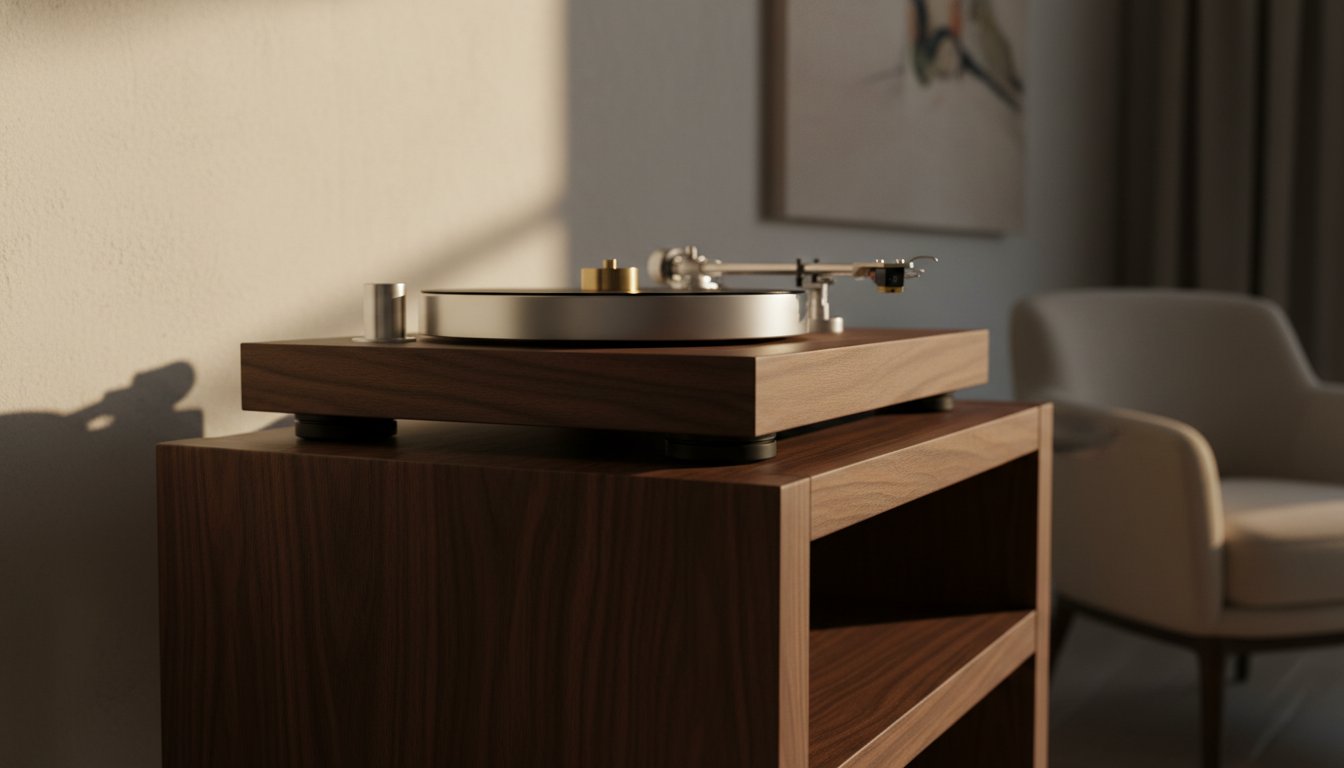
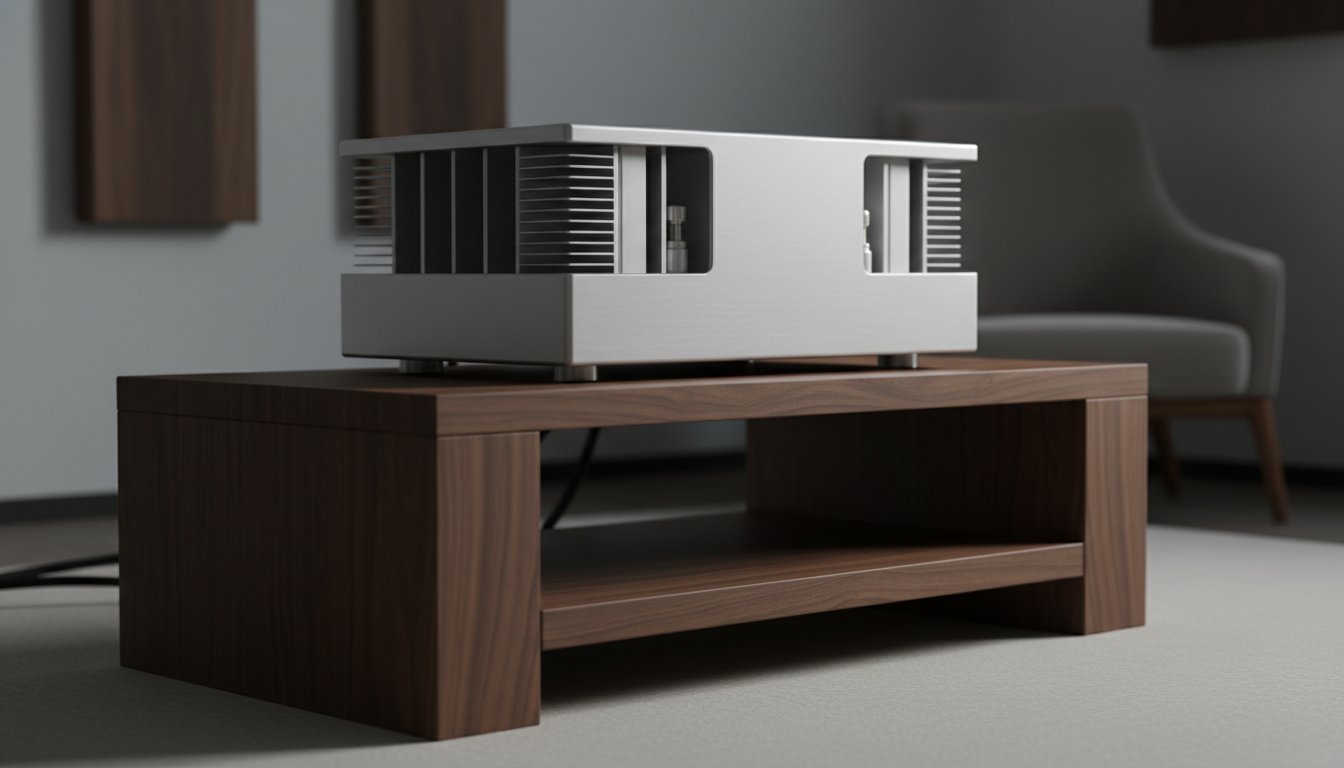
For those utilizing flagship monoblocks, I always recommend dedicated stands. Placing these high-mass components on the lowest possible plane is sonically superior. It effectively decouples the power amplifier from sensitive components like turntables, which are prone to picking up mechanical hum. Our Reference HiFi Rack amp stand provides an isolated, low-profile platform that treats weight as a source of stability. By keeping the heaviest transformers near the floor, you lower the system's center of gravity and minimize the risk of sympathetic resonance.
Calculating Your Total System Weight
Before selecting your rack, you must perform a rigorous weight audit. High-end gear often hides its mass in external power supplies or thick, armored chassis. Use this checklist to plan your load distribution:
- Sum the weight of all primary amplifier units and monoblocks.
- Include external transformers and power conditioners.
- Factor in the cumulative weight of heavy-gauge power and speaker cables.
- Apply a 20% safety margin to account for future component swaps.
Over-engineering is a necessity for high-mass systems. It ensures that the wood grain never reaches its elastic limit, maintaining structural integrity for generations. If you're ready to design a foundation built for longevity, browse our full range of handcrafted racks today.
The HiFi Rack Signature: Handcrafted Excellence for Heavy Gear
Our workshop in Novi Sad is more than a production facility; it's a place where multi-generational woodworking traditions meet modern acoustic science. We understand that furniture for heavy audio amplifiers must be as uncompromising as the gear it supports. Every piece we create is a reflection of this heritage. I've spent years refining the balance between structural density and natural resonance. This journey led to our Reference series design philosophy. It's where massive load-bearing capacity meets a clean, minimalist aesthetic. We don't believe that strength should look industrial. Instead, we frame high-mass performance within the warm, organic textures of premium timber.
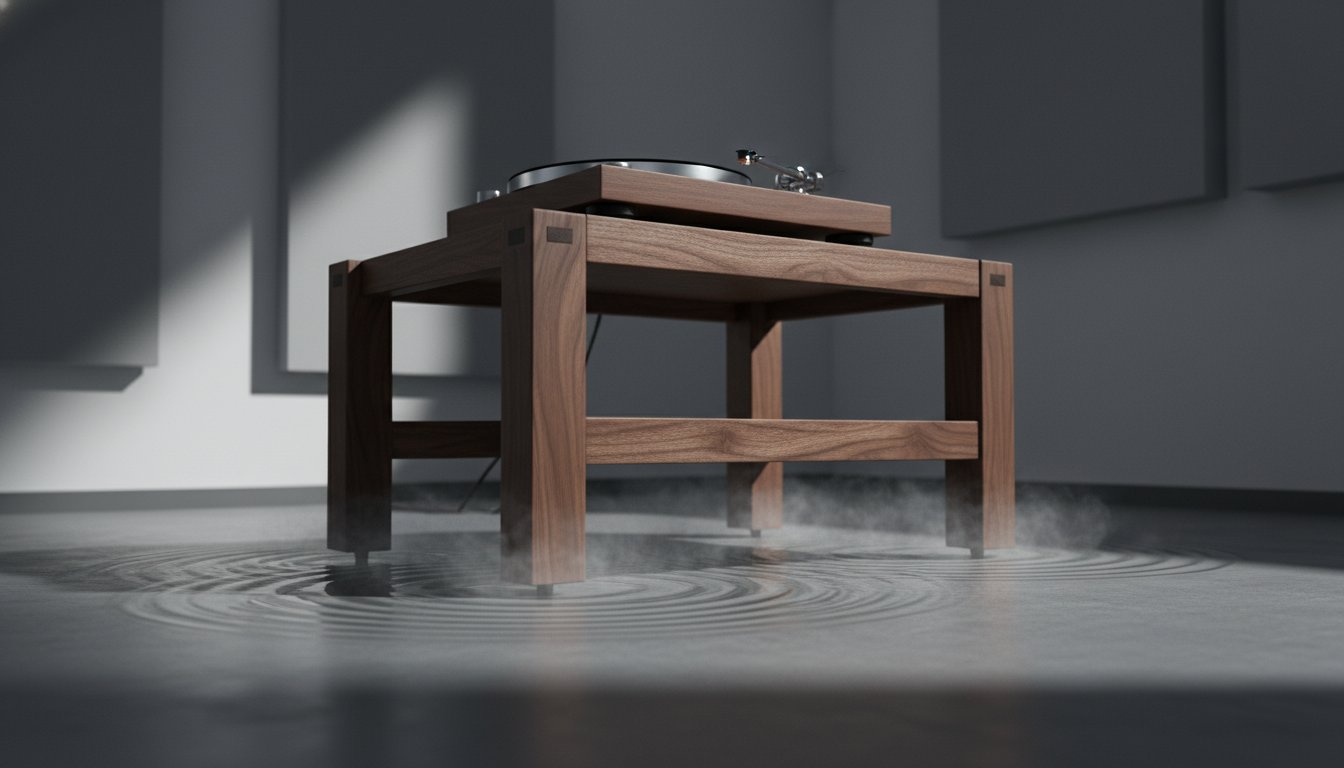
Precision is vital when managing the energy of a 60kg power amplifier. We utilize precision-machined brass spikes as the primary interface between the rack and the floor. These aren't merely decorative accents. They provide a high-pressure contact point that effectively isolates heavy components from external floor-borne vibrations. This ensures that the delicate low-level signals inside your amplifier remain untainted by mechanical feedback. For those with non-standard or "extra-heavy" equipment, we offer bespoke dimensions. Whether your chassis requires additional depth for massive heat sinks or reinforced shelving for oversized transformers, we can tailor the architecture to your specific needs.
Bespoke Craftsmanship from Serbia
We work exclusively with raw, high-quality materials. Our racks are crafted from solid Walnut, Ash, and Oak. We never use industrial fillers, MDF, or veneers because they lack the structural grain and internal damping of real timber. Our finishing process is steady and deliberate. It's designed to preserve the organic beauty of the wood while ensuring the surface can withstand the pressure of high-mass systems for decades. We understand the anxiety of shipping such substantial items. That's why we prioritize global shipping and secure crating to ensure your furniture arrives in pristine condition, no matter where your listening room is located.
The Union of Performance and Aesthetics
A high-end audio system is a significant investment in your lifestyle and personal sanctuary. We believe the foundation should reflect that level of commitment. Our promise is a definitive union of technical performance and aesthetic harmony. We don't just build furniture; we create a "vital instrument in the pursuit of sensory perfection." By treating weight as an asset rather than a burden, we help you unlock the full potential of your electronics. If you're ready to provide your system with the stability it deserves, browse the HiFi Rack Shop for reference-grade supports. Your journey toward a vibration-free, soul-stirring listening experience begins with the right foundation.
Secure the Future of Your Sound
Your pursuit of high-fidelity perfection deserves a foundation that matches the integrity of your electronics. We've explored why mass must be managed as energy and why the organic structure of solid hardwood remains the superior choice for acoustic neutrality. By prioritizing open-air ventilation and structural rigidity, you ensure your system performs at its peak for a lifetime. Choosing the right furniture for heavy audio amplifiers is a definitive step in honoring the craftsmanship of your power amplifiers.
Our Reference series is handcrafted from solid hardwood. We never use MDF or veneers, ensuring your musical dynamics remain untouched. Each unit includes precision-machined isolation spikes to ground mechanical energy, and we offer bespoke sizing for those with oversized monoblocks. It's about creating a harmonious space where your gear can truly disappear into the music. Explore the Reference Series for Heavy Components and provide your system with the sanctuary it deserves. Your journey toward sensory perfection is just beginning.
Frequently Asked Questions
How much weight can a solid wood HiFi rack actually hold?
A solid hardwood shelf with a 40mm thickness can support weights exceeding 100kg without compromise. Our Reference series is engineered specifically for this level of mass. Unlike synthetic boards, the natural grain of solid timber provides the structural integrity needed to prevent long-term deformation. This makes it the ideal material for high-current power amplifiers that house heavy transformers.
Does a heavy amplifier sound better on wood or metal?
Most enthusiasts find that wood provides a more natural and tonally balanced sound compared to metal. Metal racks often have a high resonance frequency that can cause ringing in the midrange. Solid wood acts as a natural damper, absorbing micro-vibrations rather than reflecting them back into the chassis. This results in a cleaner soundstage and better resolution of fine musical details.
Will my heavy amplifier cause the wood to warp or sag over time?
Solid hardwood won't sag or warp if the rack is designed with proper load distribution and precision joinery. We use specific cuts of timber that resist the shelf creep common in MDF or particle board. When you invest in furniture for heavy audio amplifiers, you're choosing a material that handles constant pressure by distributing it through the vertical grain of the legs.
Why do I need an open rack for my power amplifier?
Open racks are essential because they prevent thermal energy from building up around your electronics. High-mass amplifiers, especially Class A designs, generate significant heat that can degrade internal components if trapped in a cabinet. An open-architecture design allows for natural convection, ensuring your gear stays within its optimal operating temperature for better performance and longevity.
Can I customise the shelf height for a very tall tube amplifier?
You can absolutely customize shelf heights to accommodate tall vacuum tubes or oversized chassis. Since our racks are modular, we can provide bespoke leg lengths to ensure adequate clearance for cooling. This flexibility allows you to build a system that fits your current gear while remaining adaptable for future upgrades in your listening sanctuary.
Is it better to have one large rack or individual amp stands for heavy gear?
Individual amp stands are often the best choice for the heaviest components in your system. Placing a massive power amplifier on its own low-profile stand decouples its mechanical vibrations from sensitive source gear like turntables. While a single large rack is convenient, dedicated stands offer superior isolation and make it easier to manage the weight of flagship monoblocks.
How do isolation spikes work with very heavy components?
Isolation spikes work by concentrating the weight of the component onto a very small surface area. This creates a high-pressure interface that prevents floor-borne vibrations from entering the rack. For very heavy equipment, these spikes are precision-machined from brass to ensure they can handle the load while providing a stable, level foundation for your entire system.
What is the best type of wood for supporting heavy audio equipment?
Oak, Ash, and Walnut are the best choices for supporting high-mass audio equipment due to their density and damping properties. These hardwoods possess a cellular structure that naturally dissipates mechanical energy as trace heat. We select these specific timbers because they offer the perfect balance of structural strength and acoustic neutrality, ensuring your furniture for heavy audio amplifiers lasts for generations.